
Boost Your Well-Being: Yoga Tips for Everyone
- Matt Smith
- May 6
- 4 min read
Yoga is more than just a physical practice; it’s a holistic approach to well-being that can enhance your mental, emotional, and spiritual health. Whether you are a beginner or an experienced practitioner, incorporating yoga into your daily routine can lead to significant improvements in your overall quality of life. In this blog post, we will explore practical yoga tips that cater to everyone, regardless of age or fitness level.

Understanding the Benefits of Yoga
Before diving into specific tips, it’s essential to understand why yoga is beneficial. Here are some key advantages:
Stress Reduction: Yoga promotes relaxation and helps reduce stress levels through deep breathing and mindfulness.
Improved Flexibility: Regular practice increases flexibility, which can enhance physical performance and reduce the risk of injury.
Enhanced Strength: Many yoga poses build strength, particularly in the core, arms, and legs.
Better Posture: Yoga encourages awareness of body alignment, which can lead to improved posture.
Mental Clarity: The meditative aspects of yoga can enhance focus and mental clarity.
Getting Started with Yoga
Choose the Right Environment
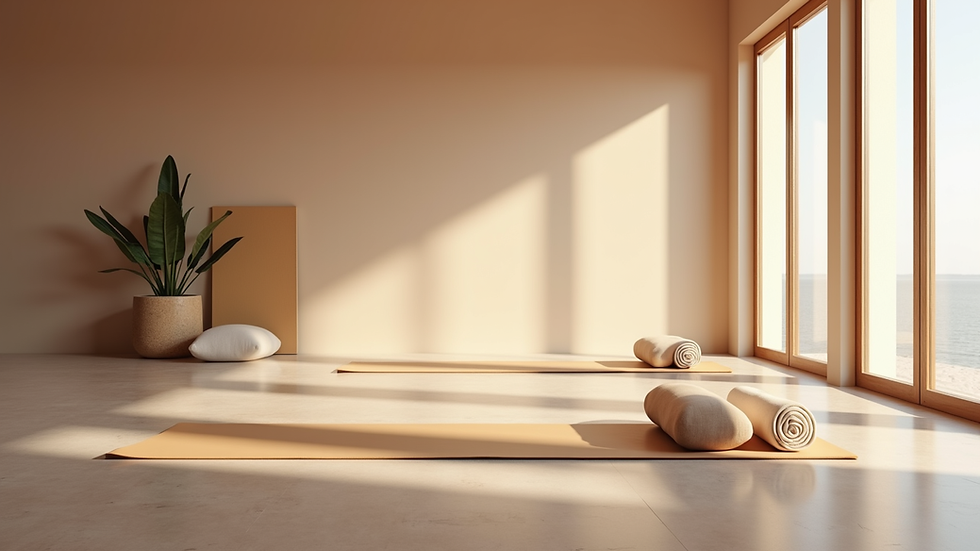
Creating a conducive environment for your yoga practice is crucial. Here are some tips:
Find a Quiet Space: Choose a location free from distractions. This could be a corner of your living room, a backyard, or even a local park.
Use Comfortable Props: Invest in a good yoga mat, and consider using props like blocks, straps, or cushions to support your practice.
Set the Mood: Dim the lights, play soft music, or light candles to create a calming atmosphere.
Select the Right Style
Yoga comes in various styles, each with its unique focus and benefits. Here are a few popular ones:
Hatha Yoga: A gentle introduction to the most basic yoga postures.
Vinyasa Yoga: A dynamic style that links breath with movement.
Yin Yoga: A slower practice that targets deep connective tissues and promotes relaxation.
Restorative Yoga: Focuses on relaxation and recovery, using props to support the body.
Start with Simple Poses
If you’re new to yoga, begin with basic poses to build your confidence and strength. Here are a few to try:
Mountain Pose (Tadasana): Stand tall with feet together, grounding yourself and focusing on your breath.
Downward Facing Dog (Adho Mukha Svanasana): A great pose for stretching the entire body.
Child’s Pose (Balasana): A resting pose that helps calm the mind and relieve tension.
Incorporating Yoga into Your Daily Routine
Set a Schedule
Consistency is key to reaping the benefits of yoga. Here’s how to incorporate it into your daily life:
Morning Routine: Start your day with a short yoga session to energize your body and mind.
Lunch Break: Use part of your lunch break for a quick yoga session to relieve stress and recharge.
Evening Wind Down: Practice gentle yoga or restorative poses in the evening to relax and prepare for sleep.
Use Online Resources
With the rise of technology, there are countless online resources available for yoga practitioners. Consider the following:
YouTube Channels: Many yoga instructors offer free classes online. Look for channels that match your skill level and interests.
Apps: Yoga apps provide guided sessions, pose libraries, and progress tracking.
Virtual Classes: Join live-streamed classes to connect with instructors and fellow practitioners.
Deepening Your Practice
Explore Advanced Poses
Once you feel comfortable with the basics, challenge yourself with more advanced poses. Here are a few to consider:
Warrior II (Virabhadrasana II): Builds strength and stability while improving focus.
Tree Pose (Vrksasana): Enhances balance and concentration.
Bridge Pose (Setu Bandhasana): Strengthens the back and opens the chest.
Incorporate Breathing Techniques
Breath control, or pranayama, is a vital aspect of yoga. Here are some techniques to try:
Ujjayi Breath: A deep, oceanic breath that helps calm the mind.
Nadi Shodhana: Alternate nostril breathing that balances energy and promotes relaxation.
Kapalabhati: A cleansing breath technique that energizes and invigorates.
Practice Mindfulness
Yoga is not just about physical postures; it’s also about cultivating mindfulness. Here’s how to enhance your practice:
Focus on Your Breath: Pay attention to your breath throughout your practice. This can help center your mind and enhance relaxation.
Be Present: Try to let go of distractions and focus solely on your movements and sensations.
Reflect After Practice: Spend a few moments after your session to reflect on how you feel physically and emotionally.
Overcoming Common Challenges
Time Constraints
Many people struggle to find time for yoga. Here are some tips to overcome this barrier:
Short Sessions: Even 10-15 minutes of yoga can be beneficial. Focus on a few key poses or a short flow.
Combine Activities: Consider incorporating yoga into other activities, such as stretching before bed or during breaks at work.
Physical Limitations
If you have physical limitations or injuries, yoga can still be accessible. Here’s how:
Listen to Your Body: Always pay attention to how your body feels. Modify poses as needed to avoid discomfort.
Consult a Professional: If you have specific concerns, consider consulting a yoga instructor or physical therapist for personalized guidance.
Building a Supportive Community
Join a Local Class
Connecting with others can enhance your yoga experience. Look for local classes in your area to meet fellow practitioners and learn from instructors.
Online Communities
If in-person classes are not an option, consider joining online yoga communities. These platforms can provide support, motivation, and a sense of belonging.
Conclusion
Yoga is a versatile practice that can enhance your well-being in numerous ways. By incorporating these tips into your routine, you can experience the physical, mental, and emotional benefits of yoga. Remember, the journey is personal, and every step you take towards your practice counts. So roll out your mat, breathe deeply, and embrace the transformative power of yoga.
Take the first step today, and discover how yoga can improve your life. Whether you practice for five minutes or an hour, every moment spent on the mat is a step towards better well-being.

Comments